

Winter Tires in Kalispell, MT: What Montana Drivers Need to Know
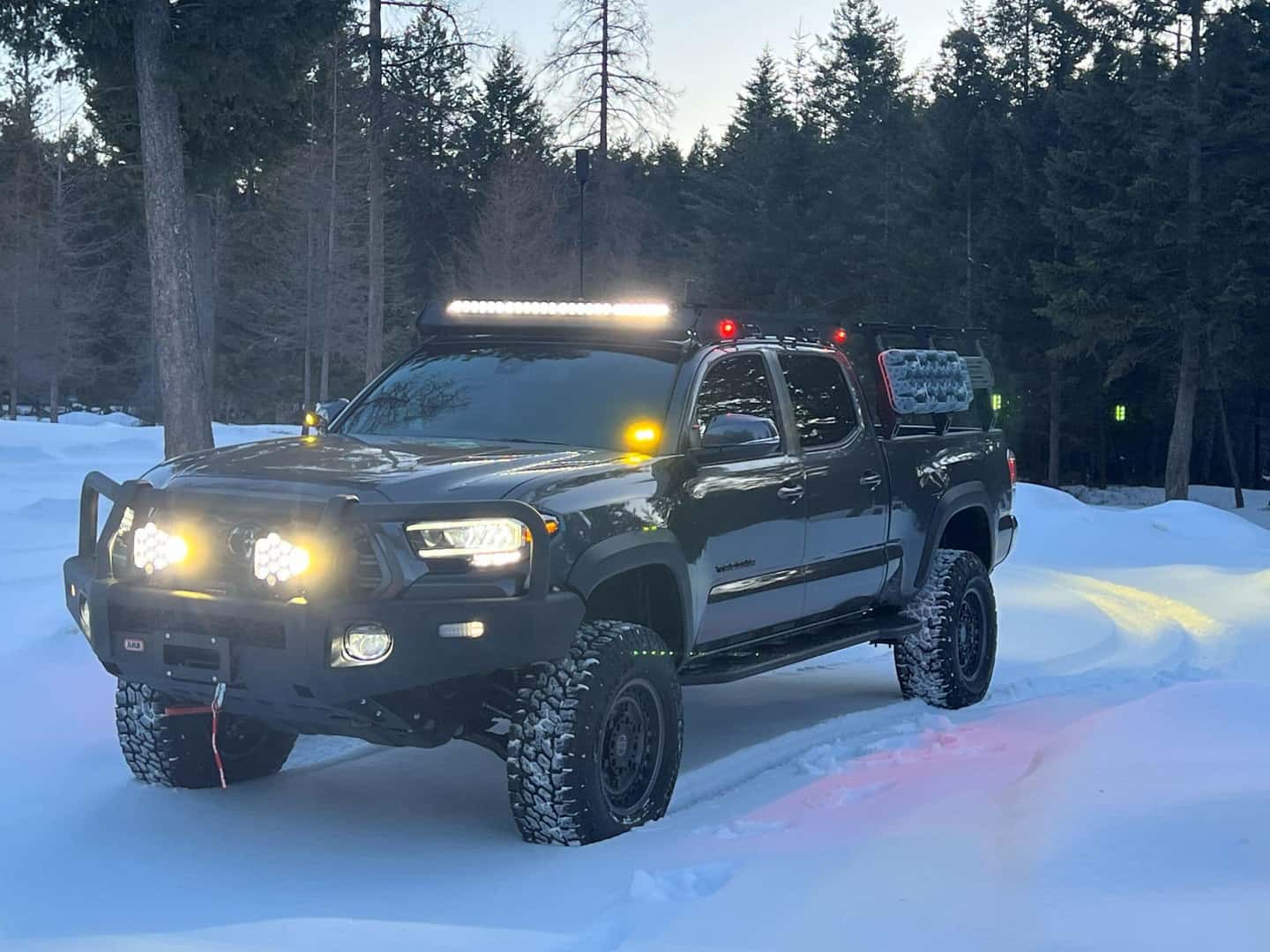
Winter Tires in Kalispell, MT: What Montana Drivers Need to Know
Winter tires can make a meaningful difference when driving through Kalispell and the Flathead Valley during winter. With snow-covered roads, icy intersections, freezing temperatures, and changing mountain conditions, choosing the right tires helps improve traction and control when the weather gets unpredictable.
If you’re wondering whether winter tires are worth it in Montana, the short answer is yes for many drivers, especially those who regularly commute, travel rural highways, or drive over mountain passes during the colder months.
Are Winter Tires Worth It in Kalispell?
For many Montana drivers, winter tires are a worthwhile investment. Unlike all-season tires, winter tires are specifically designed to maintain flexibility in cold temperatures and provide better grip on snow and ice.
Winter tires use specialized rubber compounds and tread patterns that help them perform when temperatures drop. All-season tires offer versatility throughout the year, but their performance can decline in consistently cold conditions.
Winter tires can be particularly beneficial if you regularly drive around Kalispell, Whitefish, Columbia Falls, or Bigfork, where winter weather can affect daily commutes and longer trips.
Key benefits of winter tires include:
- Improved cold-weather traction: Specialized rubber compounds remain more flexible in freezing temperatures.
- Better snow performance: Tread designs help grip snow-covered roads and clear snow from the contact area.
- Enhanced braking: Winter tires can help reduce stopping distances on snow and ice compared with all-season tires.
- More predictable handling: Additional grip can help you maintain control when accelerating, cornering, and braking in winter conditions.
Winter tires do not eliminate the risk of sliding, and stopping distances can still increase significantly on ice. Driving at an appropriate speed and leaving extra following distance remain essential.
Winter Tires vs. All-Season Tires for Montana Drivers
Choosing between winter tires and all-season tires depends on your driving habits, vehicle, and typical winter conditions.
All-season tires are designed to handle a variety of weather conditions, including light snow. They’re a practical option for drivers who experience relatively mild winters or prefer to use one tire set throughout the year.
Winter tires are designed for colder weather, making them a stronger choice for drivers who frequently encounter packed snow, icy roads, and prolonged freezing temperatures.
For drivers in the Flathead Valley, winter tires can offer additional confidence during the months when snow and ice are common. However, neither winter nor all-season tires can replace safe driving practices or appropriate equipment for severe conditions.
When Should You Install Winter Tires in Kalispell?
A useful guideline is to consider switching to winter tires when temperatures consistently approach or fall below 45°F. This is a general recommendation rather than a strict rule, since weather patterns, tire specifications, and driving conditions vary.
In Kalispell, preparing in October or early November can help you get ahead of the first significant snowfall. Waiting until the first major winter storm can mean longer appointment wait times.
Consider installing winter tires before the season’s first extended cold spell, particularly if your daily commute includes rural roads or higher elevations.
You should also check tread depth before winter begins. Tires with insufficient tread may struggle to provide adequate traction in snow, even if they are designed for winter use.
Do Toyota Vehicles Need Winter Tires?
Winter tires can benefit a wide range of Toyota vehicles, including the Toyota Camry, Corolla, RAV4, Highlander, Tacoma, and Tundra.
All-wheel drive and four-wheel drive can help vehicles accelerate on slippery surfaces, but they do not automatically improve braking or cornering traction. Your tires remain one of the most important factors in how your Toyota handles winter roads.
For example, a Toyota RAV4 with all-wheel drive can be well suited to changing Montana conditions, but the right tires still matter when braking on snow or navigating icy intersections.
Truck and SUV drivers should also remember that vehicle size and ground clearance do not eliminate the risk of losing traction.
Before purchasing winter tires, confirm the correct tire size, load rating, speed rating, and compatibility with your specific Toyota model.
Winter Driving Tips for the Flathead Valley
Winter tires are only one part of preparing your vehicle for Montana’s colder months. A few additional precautions can help you prepare for winter driving around Kalispell and beyond.
- Check tire pressure regularly because pressure typically decreases as temperatures fall.
- Inspect tread depth and look for uneven wear or damage.
- Keep extra following distance and brake gradually on slippery roads.
- Carry an emergency kit with warm clothing, a flashlight, water, and other winter essentials.
- Check road and weather conditions before traveling through mountain passes or on unfamiliar routes.
- Make sure your battery, windshield wipers, washer fluid, and heating system are ready for freezing weather.
Even with winter tires, reduce your speed when conditions deteriorate and avoid sudden steering, acceleration, or braking.
Find the Right Tires for Your Toyota in Kalispell
Preparing your vehicle before winter arrives can help you approach Montana’s cold-weather driving season with greater confidence. The right tires depend on your Toyota model, driving habits, and the conditions you encounter most often.
Kalispell Toyota can help you explore your vehicle’s tire requirements and prepare for seasonal driving. Whether you drive a Toyota RAV4 for your daily commute, a Camry around town, or a Tacoma on rural roads, planning is a smart step toward winter readiness.
Get your Toyota ready for winter. Contact Kalispell Toyota to discuss tire options for your vehicle and prepare for the upcoming Montana winter.
Frequently Asked Questions About Winter Tires
Are winter tires better than all-season tires in Montana?
Winter tires generally provide better traction in consistently cold weather, snow, and icy conditions than standard all-season tires. They are worth considering if you regularly drive through Montana winters.
At what temperature should I switch to winter tires?
Many tire experts recommend considering winter tires when temperatures consistently fall below approximately 45°F. Local weather and your driving conditions should also influence your decision.
Do I need winter tires if my Toyota has all-wheel drive?
All-wheel drive can help with acceleration, but it does not eliminate the need for adequate tire traction when braking or cornering. Winter tires can improve cold-weather grip even on all-wheel-drive Toyota models.
Can I use winter tires all year?
You can, but it is generally not recommended. Winter tires can wear faster in warmer weather and may provide less responsive handling on warm pavement than tires designed for those conditions.
When should I schedule winter tire installation in Kalispell?
Scheduling in October or early November is a practical way to prepare before the first major snowfall and avoid the seasonal rush.
0 comment(s) so far on Winter Tires in Kalispell, MT: What Montana Drivers Need to Know