

Why Is My Toyota Burning Oil?
Does your vehicle frequently display the check engine oil warning light? If so, it may be burning oil, which is a disaster waiting to happen, as the problem can lead to severe engine damage and prohibitively expensive repair bills. Here, we explore the signs and common causes of burning oil and offer some solutions.
What Does Burning Oil Mean?
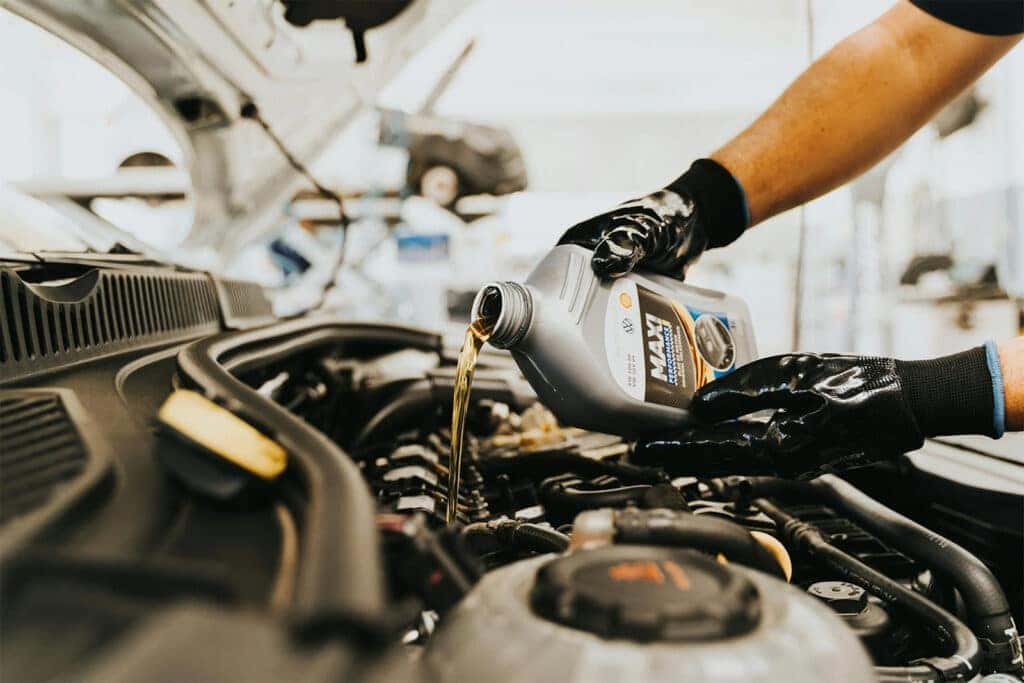
Pouring Oil to Engine by Daniel Andrask is licensed with Pexels License
A car that burns oil consumes lubricant at a higher-than-normal rate. While some vehicles burn oil because of factory defects, there are many more reasons, too, why your vehicle might be burning through its oil supply. This makes it important to understand the causes and symptoms of this issue so you can detect it early.
Common Signs and Symptoms of Oil Burning
Here are common signs that can suggest your vehicle’s engine is burning oil:
Oil Levels Dropping Rapidly
The most straightforward way to determine that your vehicle is burning oil is that it will consume it at a higher rate. If your car used to require just four quarts of engine lubricant between services but now needs to be topped up every two months, then it’s likely burning oil.
Presence of Blue Smoke From Exhaust
If your car’s exhaust smoke has a blue tint during startup or when accelerating, it indicates that the vehicle is burning oil in the combustion chamber.
Engine Performance Issues
Oil burning can foul the spark plugs and clog the fuel injectors. It can also damage the catalytic converters, which are designed to process fuel, not engine oil. The result is that your engine won’t be able to generate enough power, and performance will suffer.
Check Engine Light
The check engine light may come on if oil burning has affected the oxygen sensors or the catalytic converter. The problem here is that several other issues can trigger the check engine light, making it difficult to pinpoint the source of the problem.
Common Causes of Oil Burning in Toyota Vehicles
Toyota vehicles can burn oil for several reasons:
Worn Piston Rings
Piston rings prevent oil from entering the combustion chamber by sealing the gap between the piston and cylinder wall. These rings wear out over time, causing oil to leak into the combustion chamber. This leads to burning and a noticeable drop in oil levels.
Faulty Valve Seals
Valve seals regulate how much oil lubricates the engine’s valves. Damaged valve seals allow oil to enter the combustion chamber. This causes the vehicle to emit higher amounts of greenhouse gases and can also result in reduced engine power and performance.
Positive Crankcase Ventilation Valve Malfunctions
A positive crankcase ventilation (PCV) valve controls the pressure in the crankcase and removes gases from it. A malfunctioning or clogged PCV valve can lead to abnormal oil consumption. Be sure to frequently check the PCV valve and replace it when it’s faulty.
General Engine Wear and Tear
Higher oil consumption can be due to engine wear and tear. If you drive a high-mileage vehicle, you may notice over time that it consumes more oil than usual. This is likely due to the age and general wear, which cause engine components to degrade and leak or burn oil. Using engine oil specifically formulated for high-mileage vehicles can help mitigate this issue.
Oil Type and Quality
If your Toyota is burning oil, it may be due to the use of an incorrect or subpar lubricant. Different model years of Toyotas may require specific types and grades of engine oil. Using the wrong lubricant, even if it’s high quality, can cause oil burning.
Driving Habits
How you drive can also increase your vehicle’s oil consumption. Driving aggressively, making frequent short trips, and towing heavy cargo over long distances can overburden your Toyota’s engine and increase oil consumption.
Diagnosing the Problem. Is Your Toyota Really Burning Oil?
If you suspect that your Toyota is burning oil excessively, here are ways to diagnose the problem:
Checking for Visible Leaks
Checking for visible oil leaks can help determine whether your engine is leaking or burning lubricant. Check the engine and the ground where you park for any drips or puddles of oil. If you find leaks, locate the source immediately to prevent significant problems.
Monitoring Oil Levels and Usage Patterns
Develop the habit of regularly checking your oil levels. Noticing a pattern of increased oil consumption can indicate that your engine is burning oil.
Identifying Smoke Color
If your vehicle emits blue smoke, you’re likely dealing with an oil burn issue. This problem requires immediate and professional attention to prevent more severe issues from arising.
Performing a Compression Test
A compression test can determine if you have worn valves or piston rings. If the test shows that your engine has low compression readings, then its piston rings and valves are way past their useful life. That means your engine is likely burning more oil than usual.
Get Professional Automotive Services at Kalispell Toyota
If your Toyota is burning oil at an alarming rate, it’s essential to seek the professional insight of an experienced mechanic. Our Kalispell Toyota dealership has a state-of-the-art service center, factory-trained technicians, and an extensive inventory of original equipment manufacturer parts.
Whether your vehicle has leaky piston rings or old PCV valves or is suffering from the wrong oil, our technicians will diagnose and repair any abnormal oil-burning problem and get your vehicle to a perfect performance specification. Contact us today to schedule a service appointment or get personalized advice.
0 comment(s) so far on Why Is My Toyota Burning Oil?