

What Does the Toyota Check Engine Light Mean?
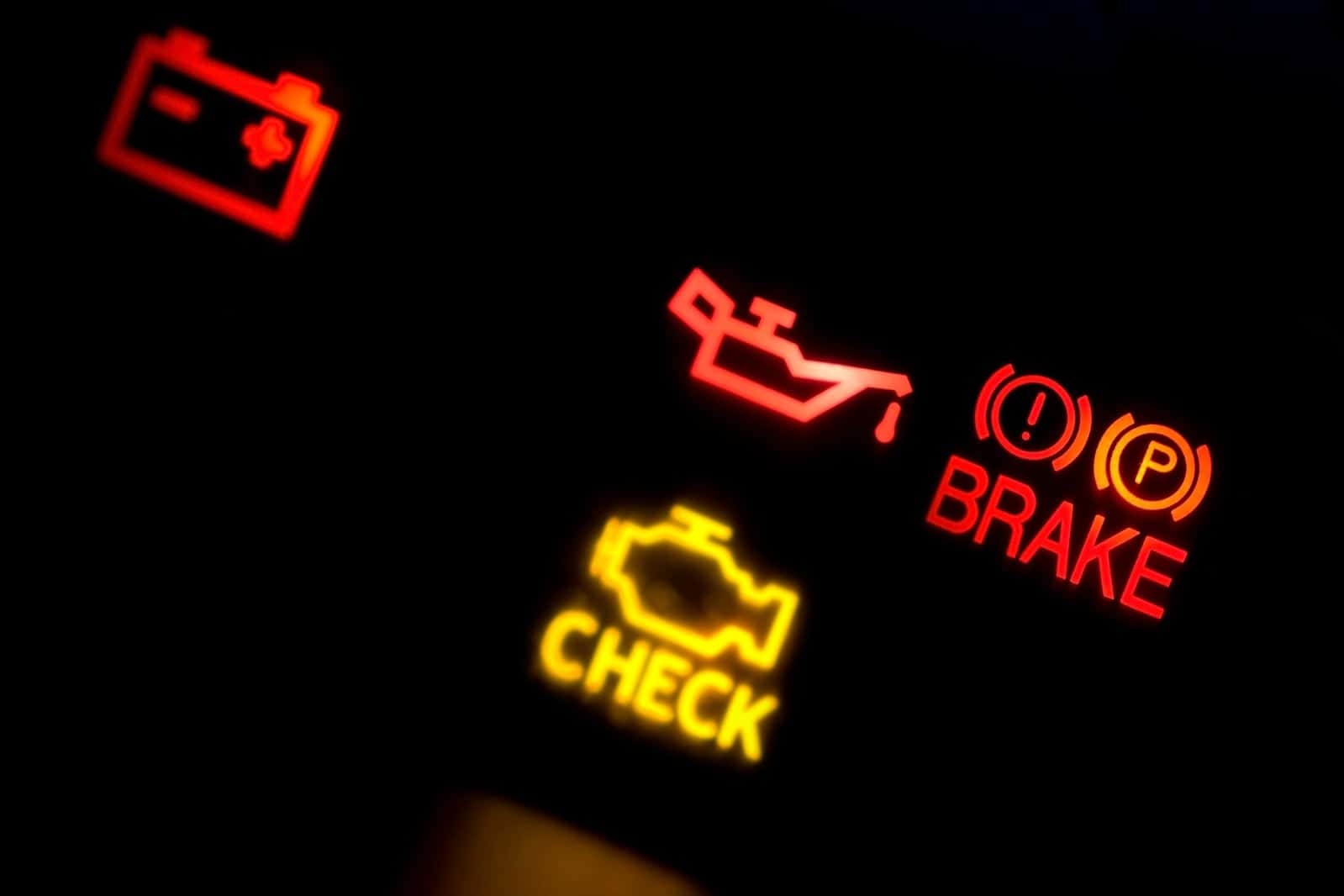
Image Credit: Edmunds
What Does the Toyota Check Engine Light Mean?
Seeing the check engine light come on in your Toyota can be concerning, especially if you’re not sure what caused it. While the light can indicate a serious problem, it doesn’t always mean your vehicle needs a major repair.
The check engine light is part of your Toyota’s onboard diagnostic system. When the vehicle’s computer detects an issue with the engine, emissions system, or another monitored component, it can turn on the warning light to alert you that something needs attention.
Why Is My Toyota Check Engine Light On?
There are many reasons your Toyota’s check engine light may illuminate. Some are relatively simple, while others require professional diagnosis.
Common causes include:
- Loose or damaged gas cap: A loose fuel cap can allow fuel vapors to escape and trigger the check engine light.
- Oxygen sensor problems: Oxygen sensors monitor the air-fuel mixture and help your Toyota’s engine operate efficiently.
- Spark plug or ignition issues: Worn spark plugs or faulty ignition components can cause misfires and reduced engine performance.
- Catalytic converter problems: A failing catalytic converter can affect emissions and engine performance.
- Mass airflow sensor issues: This sensor measures the amount of air entering the engine and helps determine the appropriate fuel mixture.
- Other engine or emissions problems: Your Toyota’s diagnostic system can detect a wide range of issues that may not be immediately noticeable while driving.
Is It Safe to Drive With the Check Engine Light On?
It depends on how the light is behaving.
If the check engine light is solid, your Toyota may still be safe to drive in the short term, but you should have the vehicle inspected as soon as possible. Continuing to drive with an unresolved problem could lead to more expensive repairs.
If the check engine light is flashing, you should take the warning more seriously. A flashing light can indicate a severe engine misfire that may damage the catalytic converter or other components. Avoid driving the vehicle unnecessarily and have it inspected promptly.
If your Toyota is also experiencing symptoms such as shaking, loss of power, unusual noises, smoke, or overheating, stop driving and have the vehicle inspected.
What Should I Do When My Toyota Check Engine Light Comes On?
First, check that your gas cap is properly tightened. If the light appeared shortly after filling up, a loose gas cap could be the cause.
If the light remains on, schedule a diagnostic inspection. A technician can use specialized diagnostic equipment to retrieve the trouble codes stored by your Toyota’s computer and determine what is causing the warning.
Remember, the diagnostic code itself doesn’t always identify the exact failed component. Further testing may be necessary to determine the root cause.
Get Toyota Service in Kalispell
If your Toyota’s check engine light is on, the team at Kalispell Toyota can help identify the problem and recommend the appropriate next steps. From routine maintenance to more involved engine and emissions repairs, getting the issue diagnosed early can help prevent a small problem from becoming a bigger one.
If you’re in Kalispell, Whitefish, Columbia Falls, or the surrounding Flathead Valley, schedule Toyota service with Kalispell Toyota when your check engine light needs attention.
0 comment(s) so far on What Does the Toyota Check Engine Light Mean?