

Toyota Brake Hold System Explained for Kalispell Drivers
If you’re sick of holding down the brake at endless red lights or while crawling through Kalispell’s tourist-packed traffic, Toyota’s brake hold system just might be the solution you’re looking for. It lets you lift your foot off the brake while keeping your car perfectly still, even on steep streets. This technology becomes a real game-changer when you’re navigating stop-and-go traffic through construction zones or waiting for wildlife to cross mountain highways.
How the Toyota Brake Hold System Works
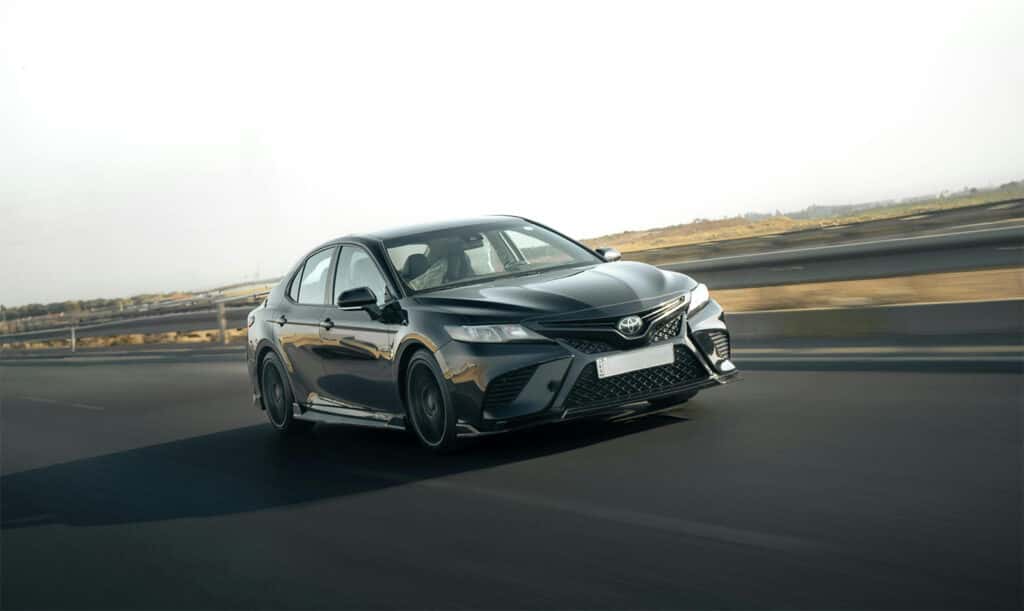
Dynamic Toyota Camry Driving on Erbil Highway by Harem is licensed with Pexels License
Toyota’s brake hold system is easy to use. First, turn on your Toyota and buckle up — the system won’t work if your seatbelt isn’t fastened. Then all you need to do is push down on the brake pedal, shift into drive, and hit the brake hold button, which is usually near the gear shifter or the center console area. If everything is working properly, an amber HOLD signal will light up on your dashboard. Now the car will stay still so you can relax while you wait.
When traffic starts moving again, all you have to do is press the gas pedal. The system automatically deactivates when it detects accelerator input, making the transition smooth and natural. On top of that, if your car is still for more than three minutes, the electronic parking brake will kick in as backup. The system stays active until you shut off the car, open a door, or unbuckle your seatbelt, preventing the car from staying in brake hold when you’re getting out.
Toyota’s brake hold system is deceptively simple, but there’s actually a lot going on behind the scenes to make everything work. An electronic parking brake (EPB) control switch and actuators on both rear wheels apply the braking force, and the system communicates with your car’s onboard computer to monitor everything from wheel speed to brake pressure. You’ve got multiple options for keeping your vehicle stationary, including brake hold for quick stops at lights, EPB for longer waits, parking gear for extended stops, cruise control’s stop feature on highways, and the manual brake pedal when you need more control.
Features and Benefits of the Toyota Brake Hold System
Toyota’s brake hold system completely changes how you drive around town — no more constant pressure on that brake pedal when you’re stuck in rush-hour traffic or waiting behind a caravan of tourists. Driving becomes way less stressful when your leg isn’t constantly cramping. The system works great on hills too. It automatically maintains brake pressure to keep you from rolling backward on steep streets.
Lots of Toyota models have this feature, making it accessible across different budgets and lifestyle needs. The Camry, Corolla, Prius, RAV4, Highlander, Sienna, Tacoma, and Tundra all include it, though you’ll need to check your specific trim level since availability varies. It’s part of Toyota’s Safety Sense 3.0 suite, which also offers forward collision warning, dynamic radar cruise control, lane-keep assist, lane departure warning, and automatic high beams.
Troubleshooting Common Brake Hold Issues
If your brake hold button isn’t working, check the basics first:
- Is your seatbelt fastened?
- Are all the doors shut?
- Is the car in drive instead of park?
The system won’t turn on otherwise. Make sure you’re following the right order: press the brake down, shift into drive, then hit the button.
Don’t use brake hold on icy roads or extremely steep mountain grades. You might need more control than the system provides. If it won’t activate even when you’re doing everything right or you see warnings that say “EPB Malfunction — Visit Your Dealer,” “C13B0, ” or “C060e-2a, ” it’s time for professional help.
If your parking brake is stuck, don’t try to force it. You’ll just end up breaking expensive parts. If the warning lights don’t come on during startup, that’s another red flag requiring immediate attention.
Tips for Maximizing the Use of Toyota Brake Hold in Kalispell
Whether it’s shopping trips with lots of stops for pedestrians, drive-through lines at local restaurants, or highways crawling with summer tourists, there’s practically no end to the number of places you can use Toyota’s brake hold system. If you’re brand-new to using this feature though, practice in empty parking lots first and get comfortable before diving into busy traffic.
Weather can seriously impact your brakes. Wet conditions are more demanding on your brake pads, and winter temperatures can freeze components and reduce response time. Temperature extremes can also warp components over time, so regular brake inspections are a must.
Experience Toyota’s Advanced Safety Features in Kalispell
Toyota’s brake hold system shows how much thought the brand puts into making driving easier and safer for real-world conditions. If you want to experience the brake hold system yourself, come see us at Kalispell Toyota and test-drive cars with this smart braking technology. Our experienced team understands the unique challenges of Montana life, and we’d love to show you what a new Toyota can do for you. We’ll help you find the right Toyota with safety features that actually matter for your everyday life.
0 comment(s) so far on Toyota Brake Hold System Explained for Kalispell Drivers