

Tire Alignment vs. Balancing: What’s the Difference?
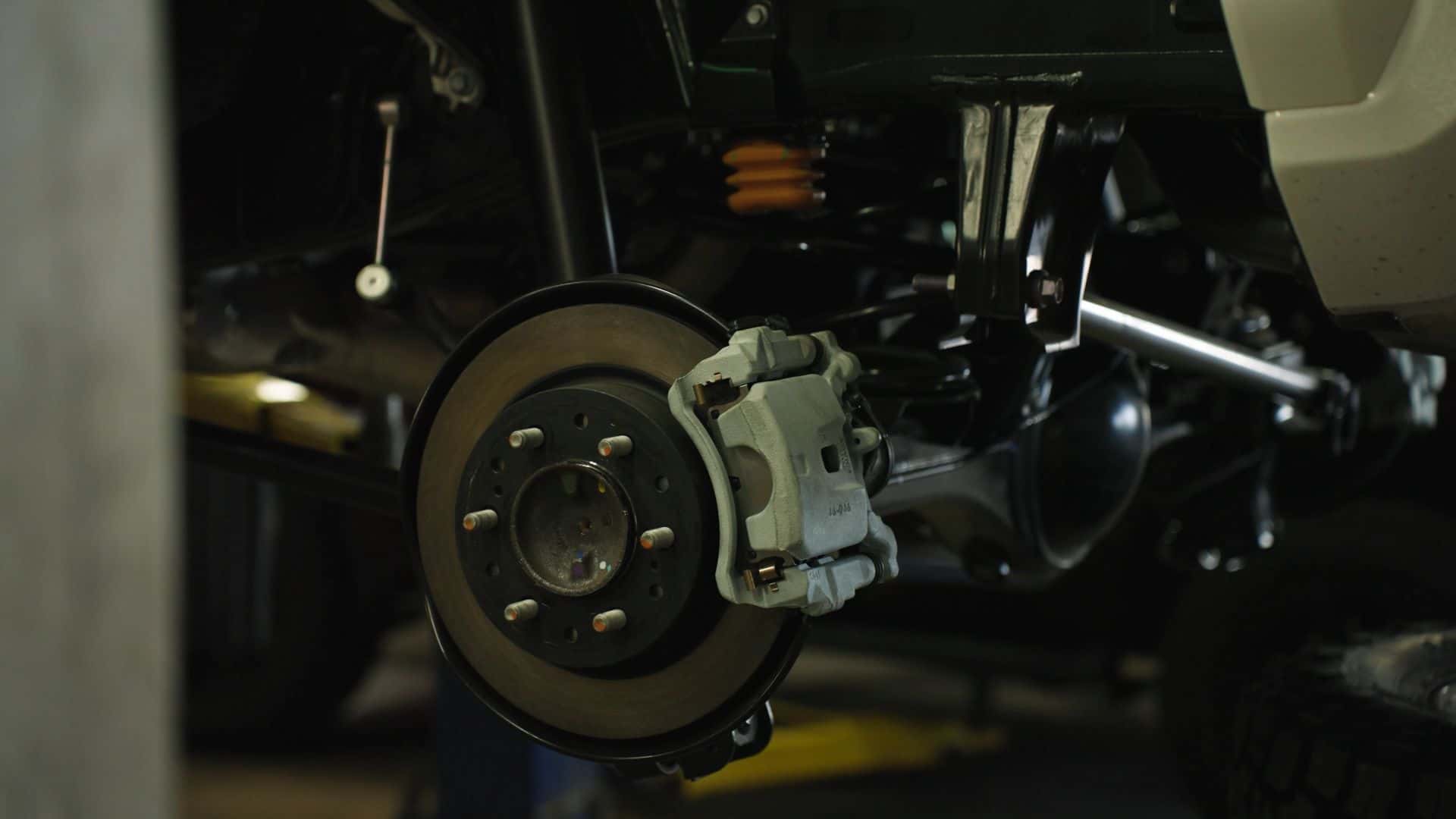
Many drivers use the terms tire alignment and tire balancing interchangeably, but they’re actually two different services that help your vehicle drive safely, comfortably, and efficiently. Understanding the difference can help you identify problems early, extend tire life, and avoid unnecessary wear on your vehicle.
If you’ve noticed uneven tire wear, steering issues, or vibrations while driving around Kalispell and the Flathead Valley, it may be time for an inspection.
What Is a Tire Alignment?
A tire alignment (more accurately called a wheel alignment) adjusts the angles of your vehicle’s wheels so they meet the manufacturer’s specifications.
During an alignment service, technicians adjust factors such as:
- Camber (inward or outward wheel tilt)
- Caster (steering axis angle)
- Toe (whether tires point inward or outward)
The goal is to ensure all four wheels are properly aligned with each other and the road.
Signs You May Need a Wheel Alignment
Common symptoms include:
- Vehicle pulls to one side.
- Crooked steering wheel when driving straight
- Uneven tire wear
- Poor handling or steering response
- Reduced fuel efficiency
Montana roads can be tough on suspension components. Hitting potholes, rough roads, curbs, or winter road hazards can gradually knock your vehicle out of alignment.
What Is Tire Balancing?
Tire balancing focuses on the weight distribution of the tire-and-wheel assembly.
Even brand-new tires can have slight weight variations. During balancing, technicians use specialized equipment to identify heavy spots and add small wheel weights to create an even rotation.
A properly balanced tire spins smoothly without causing vibrations.
Signs You May Need Tire Balancing
You may need tire balancing if you notice:
- Steering wheel vibration
- Seat or floorboard vibrations
- Increased tire wear
- Shaking at highway speeds
- Reduced ride comfort
Balancing is commonly performed whenever new tires are installed, but it may also be needed as tires wear over time.
Tire Alignment vs. Tire Balancing: Key Differences
Although both services help improve tire life, ride quality, and overall vehicle performance, they address different issues.
A wheel alignment adjusts the angles of your wheels to ensure they are properly positioned per Toyota specifications. This service primarily affects how your vehicle handles, steers, and tracks down the road. If your vehicle pulls to one side, your steering wheel is crooked, or your tires are wearing unevenly, an alignment may be needed.
Tire balancing, on the other hand, focuses on the weight distribution of the tire-and-wheel assembly. The goal is to ensure the tire rotates evenly at all speeds. If you experience vibrations in the steering wheel, seat, or floorboard, especially at highway speeds—your tires may need balancing.
Think of it this way: alignment determines the direction your tires point, while balancing ensures they spin smoothly. Both services are important for maximizing tire life, maintaining a comfortable ride, and helping your vehicle perform safely on Montana roads.
In many cases, drivers benefit from having both services performed together, particularly when installing new tires or addressing tire wear concerns.
While both services improve tire performance and longevity, they solve different problems.
Do you need both services?
Yes.
In fact, many drivers need both tire balancing and wheel alignment at the same time.
For example, if your vehicle develops a vibration and uneven tire wear, balancing may correct the vibration while alignment addresses the wear pattern causing the problem. That’s why a professional inspection is often the best way to determine what’s needed.
How Often Should You Get an Alignment or Balance?
Wheel Alignment
Many manufacturers recommend checking alignment:
- Annually
- After hitting a large pothole or curb
- When replacing suspension components
- Whenever unusual tire wear appears
Tire Balancing
Tire balancing is typically recommended:
- With every new tire installation
- During tire rotations if vibration is present
- Whenever a wheel weight is lost
- If you notice shaking at higher speeds
Regular tire maintenance can help maximize tire life and improve overall vehicle performance.
Why Proper Tire Maintenance Matters in Montana
Drivers in Kalispell experience a variety of road conditions throughout the year, from winter snow and ice to gravel roads and long highway trips. These conditions can place additional stress on tires, wheels, and suspension components.
Keeping your tires properly aligned and balanced can help:
- Extend tire life
- Improve fuel efficiency
- Enhance ride comfort
- Improve vehicle handling
- Reduce strain on suspension components.
- Increase overall driving safety.
Whether you drive a Toyota RAV4, Tacoma, Tundra, Highlander, or Camry, proper tire maintenance helps your vehicle perform at its best.
Schedule Tire Service at Kalispell Toyota
If you’re experiencing vibrations, uneven tire wear, or steering issues, the service team at Kalispell Toyota can help diagnose the problem and recommend the right solution.
Our factory-trained technicians can perform wheel alignments, tire balancing, tire rotations, inspections, and other maintenance services to help keep your Toyota ready for Montana roads.
Ready to improve your vehicle’s handling and tire life? Contact Kalispell Toyota today or schedule your next service appointment online and let our team help keep your Toyota performing at its best.
0 comment(s) so far on Tire Alignment vs. Balancing: What’s the Difference?