

Signs Your Brakes Need Service (And When It’s Unsafe to Drive in Montana)
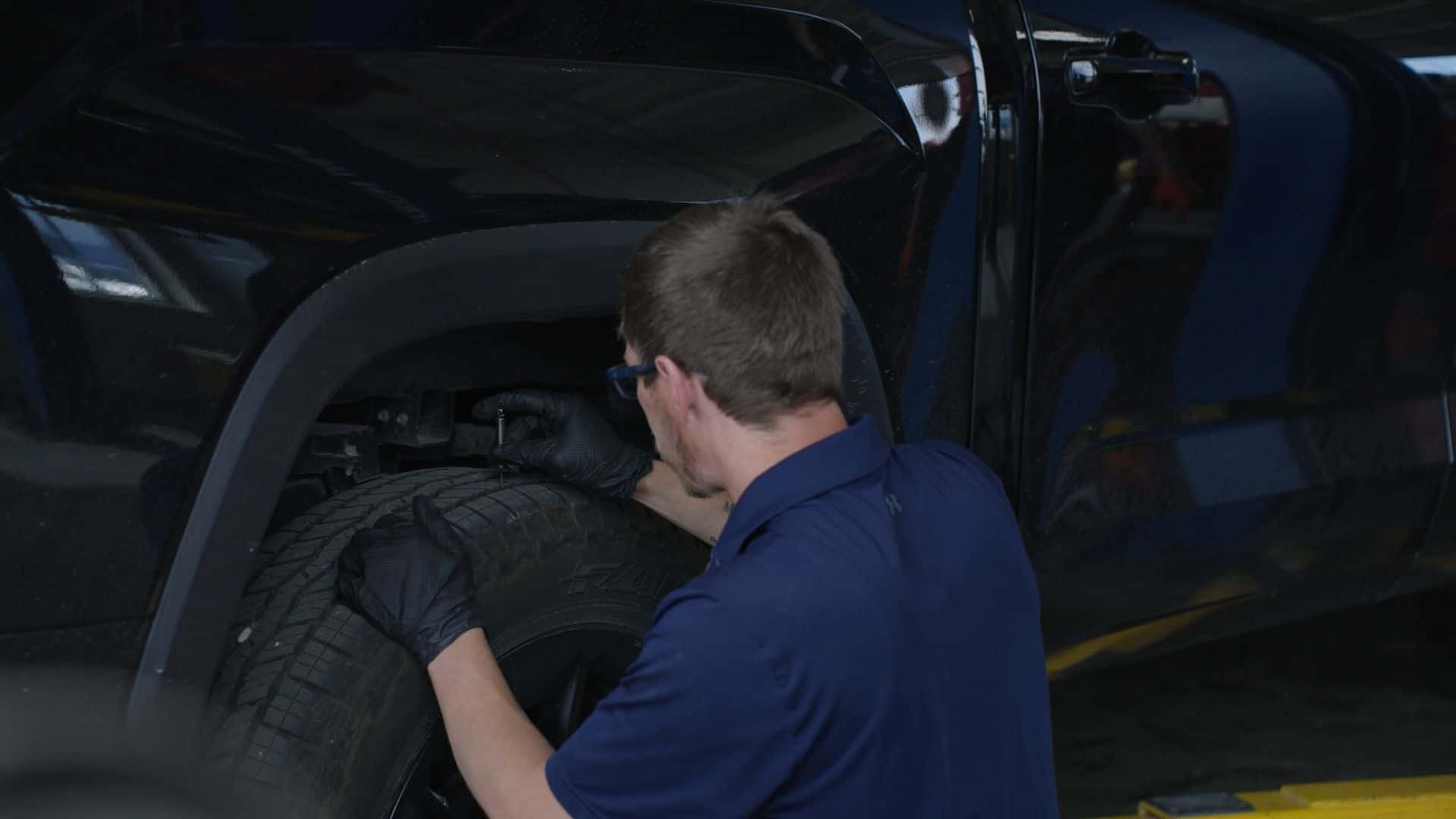
Signs Your Brakes Need Service (And When It’s Unsafe to Drive in Montana)
Brakes don’t usually fail without warning. They give you signals first—especially in Montana conditions where steep grades, winter roads, and long rural drives around Kalispell, Whitefish, and the Flathead Valley put extra stress on your vehicle.
If you’re noticing changes in braking performance, ignoring them isn’t just expensive—it can be dangerous fast.
Here’s how to know when your brakes need attention and when you should stop driving immediately.
Why Montana Driving Wears Out Brakes Faster
Driving in northwest Montana adds extra strain on your braking system:
- Long downhill stretches near Glacier National Park
- Stop-and-go traffic in Kalispell and Whitefish
- Snow, ice, and gravel roads in winter
- Heavy summer travel and towing loads
All of this increases heat and wear on brake pads and rotors.
Early Warning Signs Your Brakes Need Service
These are the “don’t ignore it yet” symptoms:
1. Squeaking or light squealing
A high-pitched noise usually means brake pads are wearing thin.
2. Longer stopping distance
If your vehicle takes more road to stop—especially on dry pavement—that’s a red flag.
3. Soft or spongy brake pedal
If the pedal feels like it sinks too easily, you may have air or fluid issues.
4. Mild vibration when braking
Often caused by uneven rotor wear or heat damage.
5. Brake warning light
If this appears on your dash, don’t wait it out.
Serious Warning Signs (Unsafe to Drive)
If you notice any of the following, it’s time to stop driving and get service immediately:
1. Grinding noise
This usually means the brake pads are completely worn down, and metal is contacting metal.
2. Brake pedal goes almost to the floor
This can indicate a major hydraulic failure or severe fluid leak.
3. Car pulling hard to one side
Could mean a stuck caliper or uneven brake pressure.
4. Burning smell after braking
Overheated brakes can fail temporarily or permanently.
5. Complete loss of braking response
Rare, but extremely dangerous—do not continue driving.
If this happens anywhere in the Flathead Valley or on mountain roads, pull over safely right away.
What Happens If You Delay Brake Repair
Putting off brake service doesn’t just risk safety, it costs more long-term:
- Worn pads damage rotors
- Rotor replacement is significantly more expensive.
- Brake fluid contamination spreads issues through the system.
- Reduced stopping power increases accident risk.
A simple pad replacement can turn into a full brake job if ignored too long.
How Often Should Brakes Be Checked in Montana?
A good rule of thumb:
- Inspect every 6–12 months.
- Check sooner if you tow, drive mountains, or commute daily in Kalispell traffic.
- Pay attention after the winter season due to salt and gravel wear.
At Kalispell Toyota, we do a free of charge, multi-point inspection every visit, ensuring we catch any long-term issues early.
Brake Service in Kalispell, Whitefish & Flathead Valley
If you’re hearing noises, feeling changes in pedal response, or just want peace of mind before a road trip through Glacier Country, a quick inspection can confirm everything is safe.
At Kalispell Toyota, brake inspections and service are designed for Montana driving conditions—from icy winters to steep summer passes.
Schedule Brake Service Before It Becomes a Problem
Brakes are one of those systems where “wait and see” is a bad strategy.
If something feels off, it usually is.
Schedule your brake inspection at Kalispell Toyota today and stay safe on Montana roads.
0 comment(s) so far on Signs Your Brakes Need Service (And When It’s Unsafe to Drive in Montana)