

Is the Toyota C-HR EV Right for Montana?
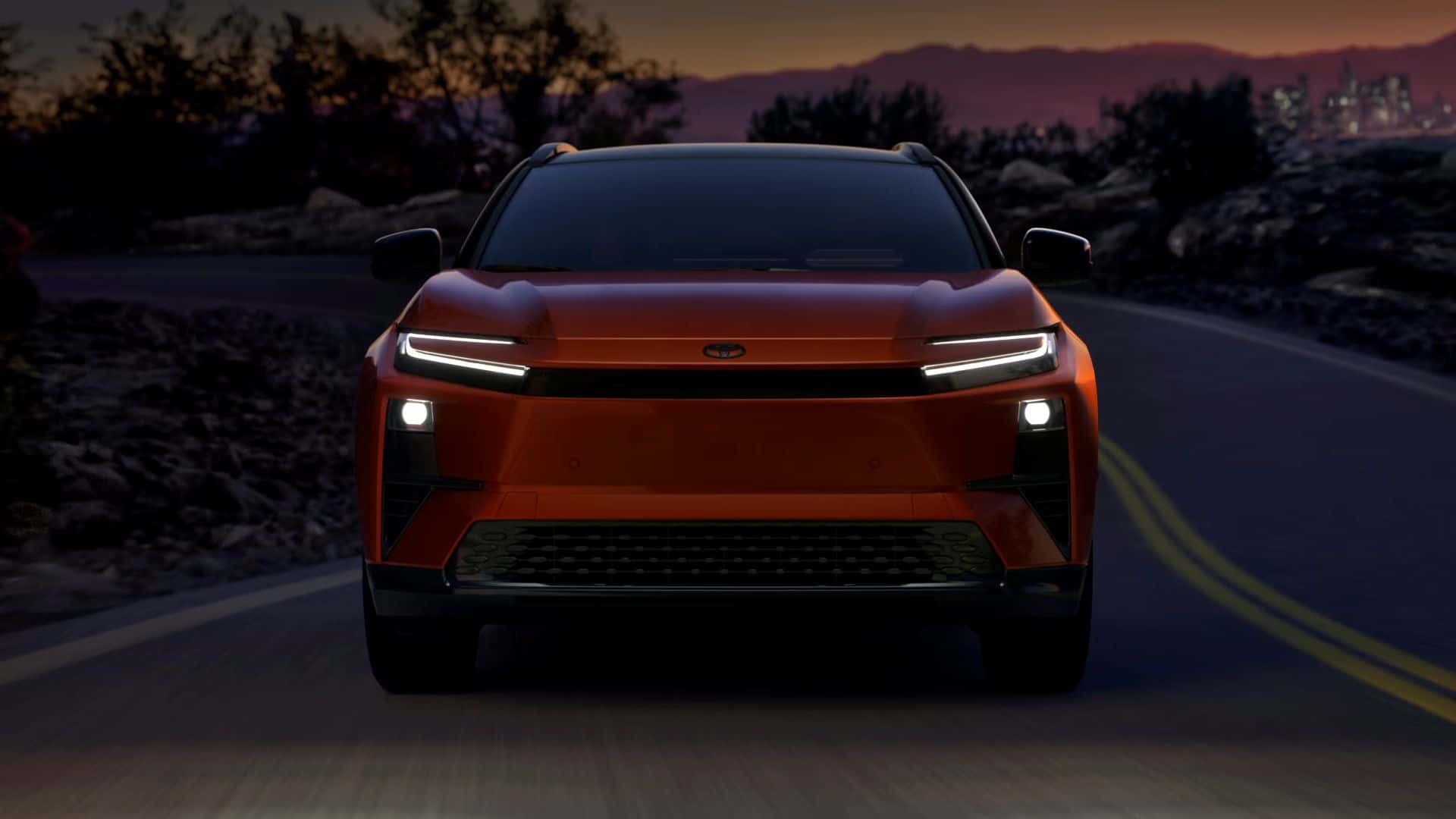
Is the Toyota C-HR EV Right for Montana?
Yes—if your driving is mostly around Kalispell, Whitefish, Columbia Falls, and the Flathead Valley, the new Toyota C-HR EV is a compelling option. With standard all-wheel drive, nearly 300 miles of EPA-estimated range, quick charging, and significantly improved performance over the original C-HR, it’s well-suited for daily commuting and weekend adventures.
However, drivers who regularly travel long distances across rural Montana may still prefer a hybrid like the Toyota RAV4 Hybrid or Toyota Grand Highlander Hybrid.
The Return of the Toyota C-HR
The Toyota C-HR has returned to North America, but this isn’t simply a redesigned version of the original crossover.
The 2026 Toyota C-HR has been completely reimagined as an all-electric compact SUV. Unlike the previous gasoline-powered model, the new C-HR features:
- Standard dual-motor all-wheel drive
- Up to 338 horsepower
- EPA-estimated range of up to 287 miles
- North American Charging Standard (NACS) compatibility
- Fast charging from 10% to 80% in around 30 minutes under ideal conditions.
This puts the C-HR in direct competition with vehicles like the Hyundai Kona Electric, Chevrolet Equinox EV, and Tesla Model Y.
How Has the C-HR EV Been Fairing?
Early reviews have been largely positive.
Automotive journalists consistently praise the C-HR for:
- Strong acceleration (0–60 mph in under five seconds)
- Comfortable ride quality
- Quiet cabin
- Premium interior technology
- Confident all-wheel-drive performance
Reviewers note that while it isn’t intended to be a sports car, it’s considerably more engaging to drive than many compact electric SUVs. Most criticism centers around limited cargo space and rear-seat room compared to larger competitors.
For Toyota, the new C-HR also represents a significant improvement over the original model, which struggled due to limited power, no AWD option, and overlap with the Corolla Cross.
Is the Toyota C-HR EV Good for Montana?
For many Montana drivers, yes.
Winter Confidence
One of the biggest advantages is that every U.S. C-HR comes standard with all-wheel drive.
Combined with Toyota’s traction control systems and instant electric torque, it should provide confident handling during snowy Flathead Valley winters.
Keep in mind that winter temperatures reduce EV range, often by 15–30%, depending on conditions. Fortunately, the C-HR’s nearly 300-mile range leaves a comfortable buffer for most daily driving.
Charging Around Northwest Montana
Charging infrastructure continues to improve across Montana.
Drivers around Kalispell can increasingly find public fast chargers, while many owners choose to install a Level 2 charger at home for overnight charging.
The addition of the NACS charging port also gives C-HR owners access to a growing network of compatible fast chargers across the country, making road trips easier than those of earlier EVs. Want to learn more about EV charging in Montana? Read our complete guide to charging infrastructure, public charging stations, and home charging options.
How Does the Toyota C-HR EV Compare to Competitors?
The compact EV market is becoming more competitive every year, and while the Toyota C-HR EV stands out with its sporty personality and standard all-wheel drive, every model has its own strengths.
Toyota C-HR EV vs. Toyota bZ
Since they’re both part of Toyota’s growing electric lineup, many shoppers will compare the C-HR EV with the Toyota bZ.
The C-HR EV is the smaller, sportier option. It produces 338 horsepower, comes with standard AWD, seats five passengers, offers 25.3 cubic feet of cargo space, and delivers up to 287 miles of EPA-estimated range.
The bZ is designed to be the more practical family SUV. It offers up to 314 miles of EPA-estimated range, a roomier cabin, and significantly more cargo space behind the rear seats, making it better suited for road trips and growing families.
🏆 C-HR EV Wins
- Standard 338-hp dual-motor AWD
- More athletic styling
- Faster acceleration (0-60 mph in 4.9 seconds)
- Easier to maneuver and park around town
- Better choice if you prioritize fun behind the wheel
🏆 Toyota bZ Wins
- Longer driving range (up to 314 miles vs. 287 miles)
- More passenger room
- Larger cargo area
- Better suited for long road trips and families
Toyota C-HR EV vs. Tesla Model Y
The Tesla Model Y remains one of the segment’s benchmarks, offering seating for up to seven passengers (optional third row on select trims), over 76 cubic feet of maximum cargo space, and a maximum EPA-estimated range of more than 320 miles, depending on the trim.
Toyota takes a different approach by focusing on familiar controls, dealer support, and a more traditional ownership experience.
🏆 C-HR EV Wins
- Traditional dashboard and controls
- Standard AWD on every model
- Toyota’s reliability reputation
- Extensive Toyota dealer and service network
🏆 Tesla Model Y Wins
- Longer available range
- Much larger cargo capacity
- Optional seven-passenger seating
- Larger public fast-charging ecosystem
Toyota C-HR EV vs. Chevrolet Equinox EV
The Chevrolet Equinox EV is one of the value leaders in the segment, offering up to 319 miles of EPA-estimated range, seating for five, and 26.4 cubic feet of cargo space behind the second row.
While the Equinox EV focuses on practicality and value, the C-HR EV emphasizes performance.
🏆 C-HR EV Wins
- Standard AWD
- 338 horsepower
- Much quicker acceleration
- Sportier styling and handling
🏆 Chevrolet Equinox EV Wins
- Longer available driving range
- Slightly more cargo space
- Lower starting MSRP
- Excellent value for families
Which One Makes the Most Sense for Montana?
For drivers in Kalispell, Whitefish, Columbia Falls, and the surrounding Flathead Valley, the Toyota C-HR EV offers one of the best balances of performance, winter capability, and everyday usability. Its standard all-wheel drive, nearly 300-mile range, and compact size make it an excellent daily driver that’s still capable of weekend adventures.
If your priority is maximum range or cargo space, the Toyota bZ or Chevrolet Equinox EV may be worth a closer look. But if you’re looking for an electric SUV that’s fun to drive, confident in Montana winters, and backed by Toyota’s reputation for reliability, the C-HR EV is an easy recommendation.
Who Should Buy the C-HR EV?
The Toyota C-HR EV makes the most sense if you:
- Drive under 40 miles most days.
- Want to reduce fuel costs.
- Primarily travel around Northwest Montana.
- Want all-wheel-drive capability
- Appreciate modern technology and sporty styling
- Can install a lvl two charger at home
It may not be the best fit if you:
- Frequently drive hundreds of miles through rural Montana.
- Regularly tow two trailers.
- Need maximum cargo space.
- Can’t reliably charge at home or work
Final Thoughts
The all-new Toyota C-HR EV shows how far Toyota’s electric vehicles have come. It offers strong performance, practical range, standard AWD, and modern charging capabilities that make it a realistic option for many Montana drivers.
While hybrids remain the most versatile choice for frequent long-distance travel across Big Sky Country, the C-HR EV is an excellent fit for commuters and families who spend most of their time around the Flathead Valley.
If you’re considering making the switch to an electric SUV, the C-HR deserves a spot on your test-drive list.
Ready to Experience Toyota’s Newest EV?
Whether you’re exploring your first electric vehicle or comparing it with Toyota’s hybrid lineup, Kalispell Toyota is here to help. Visit our showroom to learn more about the Toyota C-HR EV, explore available Toyota electrified models, and schedule a test drive. Our team can also answer questions about charging, winter driving, and which Toyota is the best fit for life in Northwest Montana.
Frequently Asked Questions
Is the Toyota C-HR EV all-wheel drive?
Yes. Every U.S.-spec Toyota C-HR EV comes standard with dual-motor all-wheel drive.
How far can the Toyota C-HR EV travel on a charge?
The EPA estimates up to 287 miles of range, though cold Montana winters can temporarily reduce driving range.
Is the Toyota C-HR EV good in snow?
Yes. Standard AWD, instant electric torque, and Toyota’s traction systems make it well-equipped for winter driving when paired with quality winter tires.
Can I road trip across Montana in the C-HR EV?
Yes, although longer trips require planning around charging stops. For drivers who frequently cross the state, a Toyota hybrid may still offer greater convenience.
0 comment(s) so far on Is the Toyota C-HR EV Right for Montana?