

How To Disable Toyota Auto Stop and Start (And Should You?)
If you’ve got a new Toyota in Kalispell, you might’ve noticed your engine going quiet at red lights. This is Toyota’s Auto Stop and Start technology — it turns off your engine when you stop completely and fires it back up when you’re ready to move. While it saves fuel and cuts emissions, you may find it frustrating with our unpredictable weather and tricky mountain roads, and you might even want to disable it.
What Is Auto Stop and Start?
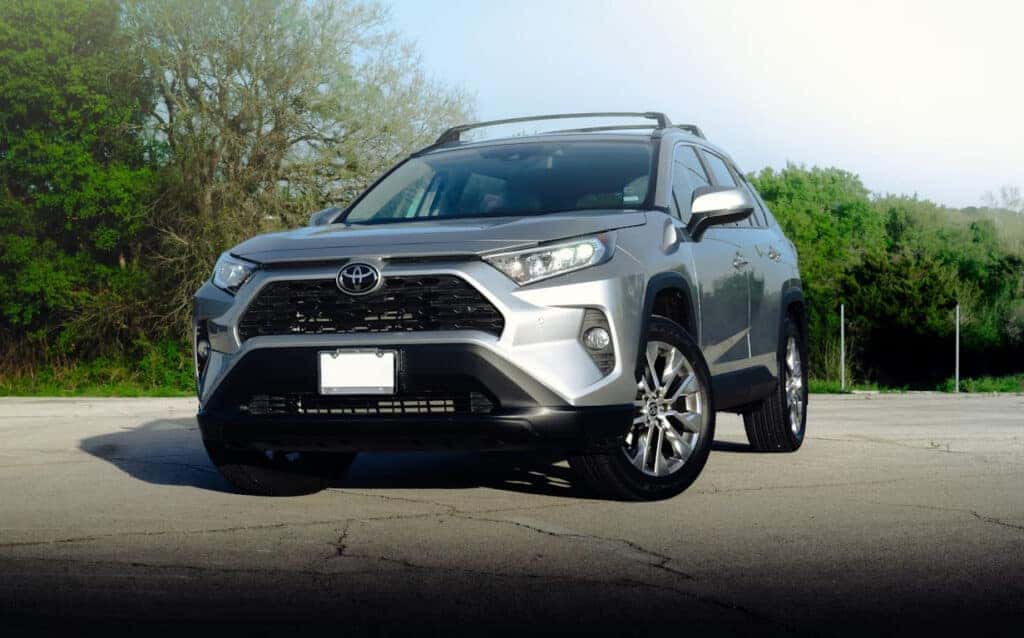
black and silver toyota suv by Krish Parmar is licensed with Unsplash License
Toyota’s Auto Stop and Start system cuts your engine at red lights, in traffic, or at drive-throughs. Ease off the brake or tap the gas, and it restarts automatically. This tech debuted in 1974 on the Toyota Crown sedan but didn’t catch on until the 2010s when fuel rules tightened. You’ll find it on many Toyota models, including the Corolla Cross, Highlander, Prius, RAV4, and Tacoma.
How Does the Auto Stop and Start System Work in Toyota Vehicles?
Your Toyota’s Auto Stop and Start relies on multiple sensors working together. They monitor engine temperature, battery charge and temperature, the brake and gas pedals, seat belts, doors, air conditioning (AC) demands, and outside temperature. Everything must align to engage the Auto Stop and Start system.
The Benefits of Auto Stop and Start
Kalispell’s tourist traffic and stop-and-go downtown driving make this tech worthwhile. It boosts gas mileage, with studies showing up to 10% better fuel economy. You’ll see the biggest gains in city driving, which is perfect for dealing with summer crowds on Highway 93.
Toyota increased its fuel efficiency by 34.3% from 2002-2022, ranking third among auto manufacturers. Auto Stop and Start systems contribute to this by reducing vehicle emissions to zero while a vehicle is stopped. You’ll also notice quieter operation in parking lots and less engine wear during unnecessary idling.
Why Disable Toyota Auto Stop and Start? Pros and Cons for Kalispell Drivers
Even with its advantages, Auto Stop and Start isn’t for everyone. Your driving style, comfort with technology, and specific needs all matter. You may love saving gas and helping the environment, but you may know others who can’t stand how the system feels or works. It’s up to you whether to keep it on or turn it off.
Potential Drawbacks of Auto Stop and Start
You may dislike the lag at restarts, especially when you need to accelerate quickly. Some people have concerns about restart failures, which are rare in modern Toyotas, or faster starter and battery wear. Toyota tracks stop-and-start cycles in the car’s computer and flags when parts might need replacing before failure. Daily annoyances include AC or heat cutting out during Montana’s extreme temperatures, restart vibration interrupting music, and stalling issues with intermittent wipers on the Corolla Cross.
Considerations for Kalispell Weather and Terrain
During cold snaps below 23 degrees, the system stays off to protect your battery, meaning you’re paying for tech that’s unusable for months. Cold weather also kills fuel efficiency and triggers electronic warnings. Mountain roads around Flathead Lake and remote areas demand instant power. Quick acceleration matters on winding roads or at boat launches and trailheads where safety requires immediate response. Some drivers prefer constant engine readiness over minor fuel savings.
Benefits of Disabling the Feature
If you shut off Auto Stop and Start, the car usually feels more normal and predictable. With the system off, your AC runs nonstop, there’s no delay when lights change, and you don’t have that “will it start?” worry in the back of your mind. However, you may dislike hitting the disable button every single time you start the car since it resets with each restart.
Car enthusiasts remain split on auto stop-and-start technology. Many doubt it’s good for engines over time, and some drivers feel better knowing their car will go instantly when they press the gas, with no restart delay.
Step-By-Step Guide: How To Disable Toyota Auto Stop and Start
Toyota gives you options if you don’t like Auto Stop and Start, from quick temporary fixes to permanent changes. What works for your car depends on its model year and trim level, so check your owner’s manual first. Think twice before making permanent changes, since they might affect your warranty or gas mileage, but temporary solutions let you test what you like without lasting effects.
Temporary Deactivation Through Vehicle Settings
The easiest fix is hitting the control button marked with an A and a circular arrow for each drive. Look for this button on your dash or center console — the exact location varies by model. Press it once and you’ll see a dashboard light change, showing the system’s turned off for this trip. You’ll need to push the brake firmly for the system to work normally, but with this button pressed, it stays off no matter what.
Remember that this reset happens every time you shut off your car. You’ll need to push that button again next time you drive if you want it disabled. Some newer Toyotas might have extra options in their touch-screen menus for adjusting how the system works. Still, most default back to enabling the feature when you restart, since Toyota designed it to activate automatically unless you tell it otherwise.
Permanent Solutions: Aftermarket Options
Aftermarket eliminator devices automatically disable the system by tricking your car’s computer. The Jamscar Auto Start Stop Eliminator for RAV4s (2020-2025) costs $24 and automatically activates at startup.
These kits include the device plus installation tools, with buyers reporting easy installation and reliable operation. They’re removable if you change your mind. Aftermarket parts might affect your warranty coverage, so verify compatibility with your specific Toyota model and year. Consider professional installation if you’re uncomfortable with electrical work.
Consulting a Professional
Toyota-trained technicians, including our service team at Kalispell Toyota, understand these systems thoroughly and protect your warranty while determining the best approach. Local service centers have current technical info and can identify existing problems causing system issues.
Common malfunctions include weak batteries, broken sensors, alternator problems, or temperature effects. A professional evaluation pinpoints the exact issue and maintains optimal performance. If you’re seeing ABS lights or other warnings, our team can check connected systems affecting Auto Stop and Start while explaining warranty-safe modifications and long-term consequences.
Make the Right Choice for Your Toyota at Kalispell Toyota
Whether to disable Auto Stop and Start depends on your driving style, location, and personal preference. The system saves fuel and cuts emissions, but instant response matters to some drivers. Try different approaches to see what works for you. For specific advice about your Toyota model, visit our dealership, where our service team can explain all your options for Montana driving conditions.
0 comment(s) so far on How To Disable Toyota Auto Stop and Start (And Should You?)