

Is the Toyota bZ & 2026 C-HR EV Good for Montana?
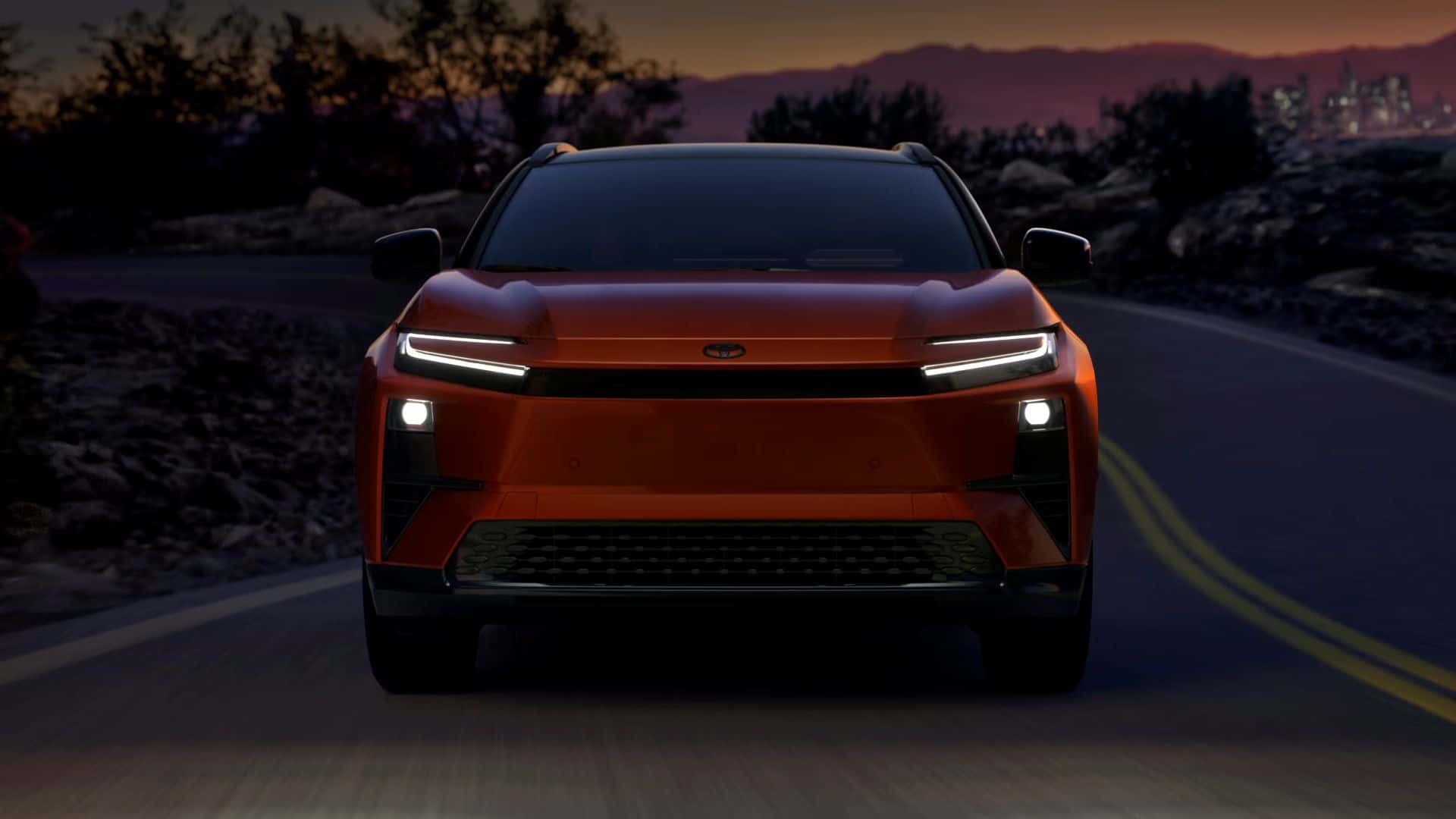
Is the Toyota bZ and the 2026 all-electric C-HR a good fit for Montana drivers?
Quick verdict: Are the Toyota bZ and 2026 C-HR viable in Montana?
What to expect from range: real numbers that matter
Cold weather & mountainous driving: how winter affects range
Public charging in Kalispell & Flathead Valley — is infrastructure ready?
Home charging vs. regular outlet (Level-1) — practical cost & time comparison
- Charging speed: roughly 3–5 miles of range per hour (very slow).
- Practical for drivers who do <25–40 miles/day and have long overnight windows.
- Charging speed: commonly 20–40+ miles of range per hour (7–11 kW chargers are typical).
- Most drivers find Level-2 necessary for daily convenience and full overnight top-ups.
How much does it cost to charge vs. fill a tank (Montana math)
-
Montana’s electricity averages about 13–14 cents per kWh. Using that, a typical EV with a 75 kWh battery and about 300 miles of range works out to roughly 3.5 cents per mile.
Gas, on the other hand, averages around $3.00 per gallon in Montana. If a similar gas SUV gets about 25 mpg, you’re paying roughly 12 cents per mile.
So you’re looking at 8–9 cents saved per mile with an EV. For someone driving 12,000 miles a year, that adds up to about $960–$1,080 in yearly fuel savings, not including the extra savings from reduced maintenance.
Charging at public fast chargers: costs & standards
Public fast-charging in Montana generally costs around $0.45 per kWh, based on recent commercial charging rate data. For many EVs, a full DC fast charge in the state ends up costing in the ballpark of $5–$10 for smaller batteries, or $15–$40 for larger ones, depending on how empty the battery is when plugged in. Since Toyota’s newer bZ supports NACS (Tesla’s charging standard), drivers may be able to access Tesla-compatible fast chargers, which expands the number of available high-power stations.
What all this means for Montana drivers is that a typical fast-charge session could cost anywhere from $8 to $25, depending on the battery size and remaining charge. Because pricing varies depending on the network (some bill by kWh, others by time), it’s smart to check your chosen charging app—like PlugShare, Electrify America, or Tesla—before heading out on a long trip.
Pros & cons — Montana-specific
To really boil things down, lets go over the pros and cons of owning an EV in Montana.
Pros
- Enough range for most in-state trips (300+ mi trims cover long distances).
- Lower operating cost (electricity is cheaper than gas locally).
- Modern charging compatibility (NACS support on bZ improves fast-charger access).
- Quiet, quick torque for highway passing and on mountain grades.
Cons
- Winter range loss — plan conservatively and consider higher-range trims.
- Upfront cost of EV (and possible panel/charger upgrade) — though incentives, lower fuel/maintenance reduce total ownership cost over time.
- Rural fast-charger gaps on some less-traveled corridors, route plan for remote trips and keep a backup charging stop in mind.
- Long Charging times can also be hard to deal with, especially for those who travel frequenlty across the state or beyond.
Who each model is best suited for (Montana buyer profiles)
Practical checklist before you buy (Kalispell / Flathead Valley)
- Check your home electrical panel — will it support a 240V Level-2 charger or need an upgrade? (That impacts installation cost.)
- Estimate winter range: subtract ~10–30% from EPA figures for cold/mountain conditions and plan charging stops on long trips.
- Confirm local public fast chargers near your common routes (Kalispell, Whitefish, Columbia Falls, I-90 corridor). Use PlugShare/ChargePoint maps.
- Budget for a Level-2 charger if you want daily convenience: plan $800–$2,500 for typical installs in our area.
0 comment(s) so far on Is the Toyota bZ & 2026 C-HR EV Good for Montana?